
Hands-On Dental Diagnosis Course · Level 1
Find the Cause, Not the Symptom.
Build a stronger foundation for clinical screening, comprehensive examination, diagnostic records, and treatment planning. Two days of guided learning and hands-on practice with Dr. Agatha Bis in Oakville, Ontario.

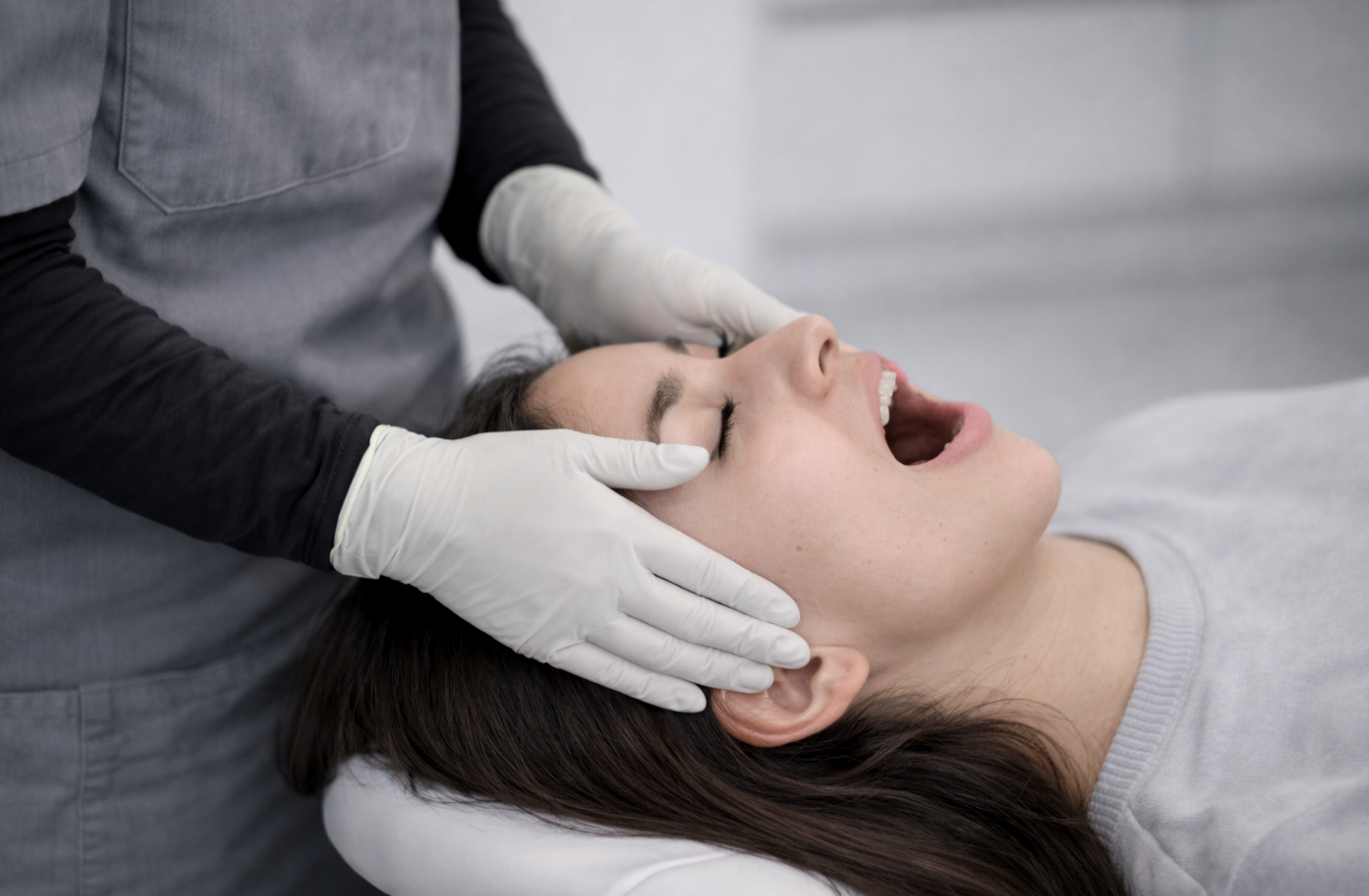
The foundation of the six-level pathway
Before the treatment plan, get the diagnosis right.
Level 1 focuses on the information that shapes clinical decisions: the patient history, screening findings, comprehensive examination, and diagnostic records.
Learn to connect periodontal, biomechanical, functional, and dentofacial observations rather than considering each one in isolation. The goal is a more structured, defensible diagnostic process for routine and complex cases.

Learning objectives
What you will learn in Level 1.
Practical screening, examination, and diagnostic skills that support a more comprehensive approach to dentistry.
Clinical history
Recognize key findings in the patient history.
Screening and examination
Identify when comprehensive examination is needed.
TMJ and functional findings
Recognize functional findings that warrant attention.
Integrated diagnosis
Connect findings across clinical disciplines.
Differential assessment
Consider alternative explanations for clinical findings.
Records and imaging
Select records and imaging that inform diagnosis.
Case synthesis
Synthesize findings into a diagnostic assessment.
Patient communication
Communicate findings and expectations with patients.
Course curriculum
A complete diagnostic workflow, taught step by step.
Each module builds toward the same outcome: assembling the history, examination, imaging, and records into a coherent clinical diagnosis.
History and the diagnostic interview
Identify the sequence of events, habits, previous care, and patient concerns that matter to the diagnostic process.
Screening adults and children
Choose when a rapid screening is appropriate, when the findings warrant a comprehensive examination, and how to document pediatric findings.
Integrated condition assessment
Review periodontal, biomechanical, functional, and dentofacial conditions as one clinical picture, including possible signs of parafunction.
Radiographic and photographic documentation
Practice a repeatable photographic series and review the diagnostic and communication value of clinical records.
Digital workflow and scanning
Explore efficient intraoral scanning technique, difficult scanning areas, and the role of digital records in the diagnostic process.
Reading panoramic radiographs for function
Assess condylar form, vertical symmetry, antegonial morphology, and signs of loading. Discuss the limits of panoramic imaging and when CBCT or MRI may be appropriate.
Assembling a diagnosis
Integrate examination findings, imaging, and records to support a defensible diagnosis before treatment planning.
Patient expectations and presentation
Communicate findings, discuss realistic expectations, and present the scope of care based on the diagnosis.
Review of submitted cases
Discuss selected de-identified cases submitted by attending dentists using the course’s assessment sequence.
From records to clinical decisions
Level 1 brings clinical examination, photographs, digital scans, and imaging into one diagnostic workflow. The practical sessions focus on gathering and interpreting information before developing a treatment plan.
Real clinical demonstrations form part of the learning experience.
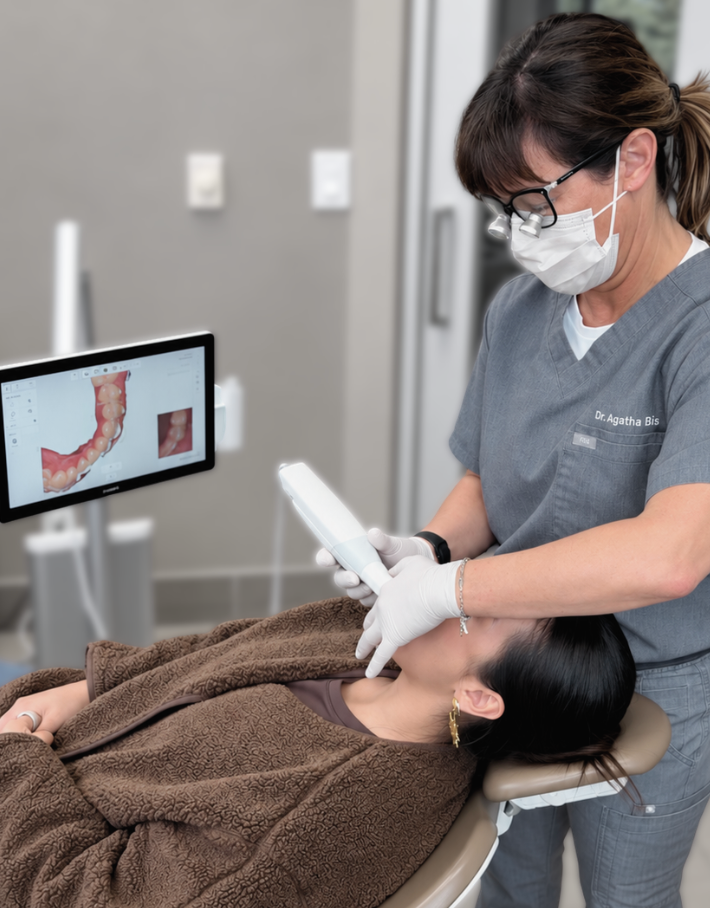
Six guided practical exercises
Learn it. Perform it. Discuss it.
Level 1 combines eight hours of lecture with six hours of participation. Dentists practice examination methods and diagnostic workflows with structured guidance and peer discussion.
Inside the Hands-On experience
See the course in action.
Take a look at the clinical exercises, collaborative learning, and practical demonstrations from BIS Institute's in-person dental courses.
From diagnostic records to hands-on examination, the experience is built around applying clinical reasoning, not simply watching a lecture.
View registration options ↓Two-day agenda
See what happens each day.
View the course schedule for lectures, workshops, meals, and the Day 1 reception. The agenda is provided for planning and is subject to reasonable program adjustments.
Day 1
Day 1
History, screening, examination, and records
View the complete agenda
| 8:00–8:30 AM | Registration and breakfast |
| 8:30–9:00 AM | Why treatment fails: the diagnosis as the starting point |
| 9:00–9:45 AM | History and the diagnostic interview |
| 9:45–10:30 AM | Rapid screening and pediatric assessment |
| 10:30–10:45 AM | Break |
| 10:45–11:45 AM | Hands-on: rapid screening in pairs |
| 11:45 AM–12:30 PM | Comprehensive examination and integrated assessment |
| 12:30–1:30 PM | Lunch |
| 1:30–2:45 PM | Hands-on: comprehensive examination and range of motion |
| 2:45–3:00 PM | Break |
| 3:00–3:45 PM | Photography, diagnostic records, and digital scanning |
| 3:45–4:45 PM | Hands-on: complete photographic series |
| 4:45–5:00 PM | Review of records and questions |
| 5:00–6:00 PM | Reception with cocktails and hors d’oeuvres |
Day 2
Day 2
Imaging, diagnosis, and treatment presentation
View the complete agenda
| 8:00–8:30 AM | Registration and breakfast |
| 8:30–9:30 AM | Panoramic interpretation and advanced imaging decisions |
| 9:30–10:30 AM | Hands-on: panoramic interpretation workshop |
| 10:30–10:45 AM | Break |
| 10:45–11:30 AM | Assembling a diagnosis and discussing progression |
| 11:30 AM–12:30 PM | Hands-on: critical analysis workshop |
| 12:30–1:30 PM | Lunch |
| 1:30–2:15 PM | Treatment presentation and patient expectations |
| 2:15–3:00 PM | Hands-on: presentation role-play |
| 3:00–3:15 PM | Break |
| 3:15–4:30 PM | Review of cases and workshop findings |
| 4:30–5:00 PM | Function-Driven Screening Protocol, Level 2 introduction, evaluation and certificates |
Attending dentists may submit de-identified patient cases for discussion on Day 2. Submission instructions are provided after registration.
Take it back to practice
Your Monday-morning toolkit.
The Function-Driven Screening Protocol is included as a practical reference for structuring the initial diagnostic process with your team.
- Focused history questions and screening findings
- TMJ, muscle, and range-of-motion observations
- Parafunction-related signs to document
- A four-point approach to panoramic review
- Criteria for considering a comprehensive examination
The protocol supports clinical decision-making and does not replace professional judgment.
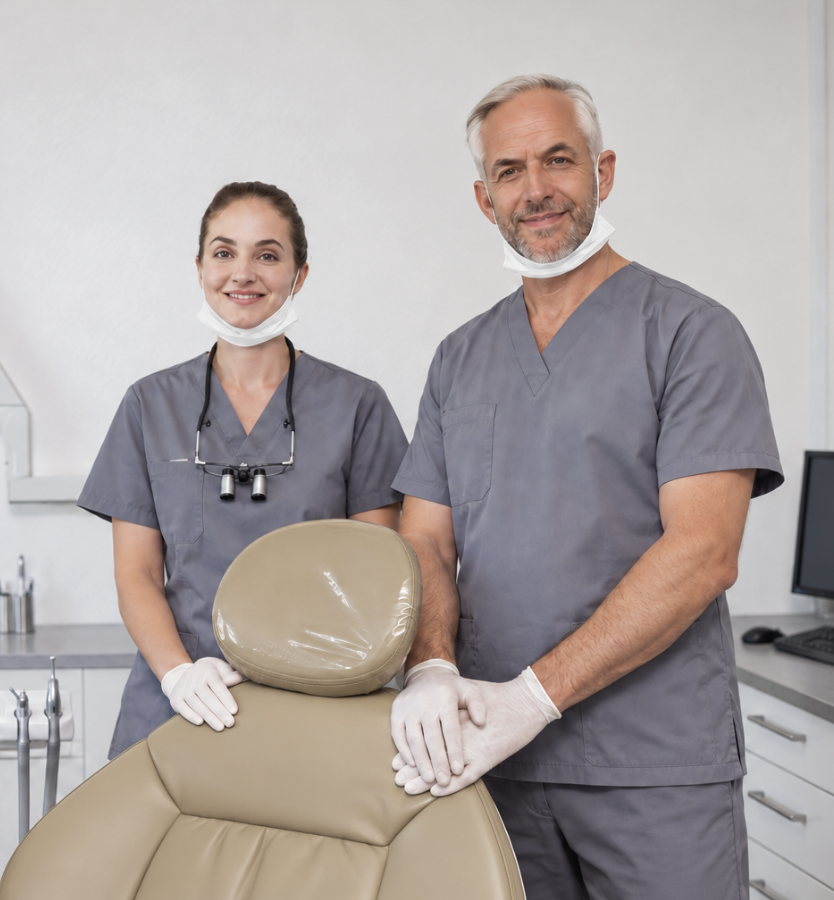
For the whole dental team
Bringing a team member
This course is open to all team members.
The protocols in this level are taught to be executed by the team, not the dentist alone: screening, records, photography, charting of the clinical findings of parafunction, digital scanning technique, and the setup that supports case presentation.
When your team member learns them beside you, the workflow is adopted the day you return, rather than taught secondhand and lost. Learning together helps the practice put these steps into use.
Registration / January 29–30, 2027
Choose your registration.
Both options use the existing BIS Institute secure checkout. There is no extra inquiry or enrollment page between this page and payment.
Dentist registration
Hands-On Level 1
Two days of in-person education, including examination workshops, diagnostic exercises, case discussions, and course materials.
- 14 eligible CE credits with applicable completion requirements
- Breakfast and lunch on both days
- Day 1 reception and Function-Driven Screening Protocol
Hygienist / dental assistant
Bring a team member
Learn the supporting screening and documentation workflows together so the team understands how to apply the course protocols in practice.
- Participation in activities appropriate to professional role and scope
- Clinical records, photography, screening, and scanning concepts
- Meals, reception, and course materials included
Cancellation terms on the current course page: full refund minus a CAD $100 administrative fee more than 30 days before; 50% refund or one transfer 15–30 days before; no refund 14 days or fewer before, with one transfer potentially permitted. Confirm details in the published policies before purchasing.
In-person / Oakville, Ontario
Small-group education at Smiles by Bis.
Registration is limited to 16 participants. Breakfast and lunch are provided both days, along with a reception on Day 1.
For questions about attendance, team participation, or course logistics, email info@bisinstitute.com.
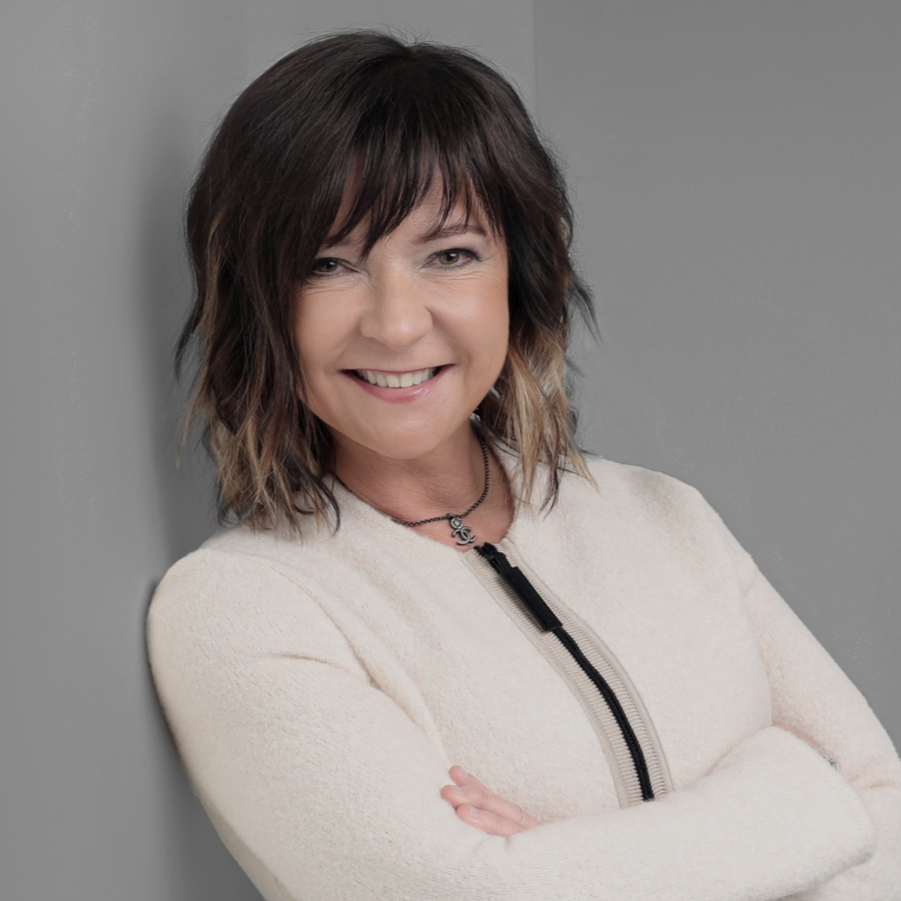
Meet your educator
Learn with Dr. Agatha Bis.
Dr. Agatha Bis is the founder of BIS Institute, formerly TMJ Whisperer Academy. With more than 30 years of clinical experience, she brings experience in complex cases, occlusion, restorative dentistry, and TMJ assessment to her approach to clinical education.
The two-day format connects concepts to examination techniques, diagnostic records, workshops, and discussion.
Before you register
Level 1 frequently asked questions.
Is Level 1 suitable for general dentists?
Yes. Level 1 is designed for general dentists who want a structured approach to screening, examination, diagnosis, and the clinical records used for comprehensive case planning.
Can I attend with a hygienist or dental assistant?
Yes. The course offers a separate hygienist and assistant registration option. Team members learn supporting workflows such as screening, clinical records, photography, and digital scanning. Check the course details and your professional scope of practice.
How many CE credits are available?
Level 1 lists 14 CE credits, including eight lecture hours and six participation hours. Credits and certificates are subject to attendance and completion requirements and to acceptance by your licensing authority.
Do I need advanced TMJ training before enrolling?
The published course is Level 1 of the six-level Hands-On pathway. It establishes the diagnostic foundation used in later levels, including TMJ and functional examination, without requiring completion of a previous BIS Hands-On level.
Are meals and materials included?
Yes. The published course includes breakfast and lunch on both days, a Day 1 reception, course materials, and the Function-Driven Screening Protocol.
Can I submit a patient case?
Attending dentists may submit cases for discussion on Day 2. Submission instructions are sent after registration. Patient information should be appropriately de-identified, and case review is subject to the course format.
What is the cancellation policy?
The published policy states a full refund less a CAD $100 administrative fee more than 30 days before the course, a 50% refund or one transfer 15–30 days before, and no refund 14 days or fewer before; one transfer may be permitted. Please review the current policy before purchasing.
AGD PACE provider information published by BIS Institute: nationally approved PACE Program Provider for FAGD/MAGD credit, provider ID 434863, approval period April 1, 2026 to March 31, 2030. PACE approval does not imply acceptance by any regulatory authority or endorsement by the AGD. It is provider approval, not approval of individual courses.
BIS Institute / Hands-On Level 1
Start with a clearer diagnosis.
Join two days of in-person dental continuing education focused on screening, examination, diagnostic records, and practical case assessment.